A demanding Dubai day can follow you home. Meetings run late, training gets squeezed into the evening and by bedtime, your body may be tired while your mind is still moving quickly.
That is why some clients explore cryotherapy for sleep and stress as part of a wider recovery routine. A short whole-body cryotherapy session creates a clear break in the day. Many people describe feeling alert immediately afterwards, followed by a calmer, more settled state later in the evening.
Cryotherapy is not a treatment for insomnia, anxiety or chronic stress. It cannot replace consistent sleep habits or medical advice. Used thoughtfully, however, it may help active people and busy professionals in Dubai move from work or training mode into recovery mode.
What Is Whole Body Cryotherapy?
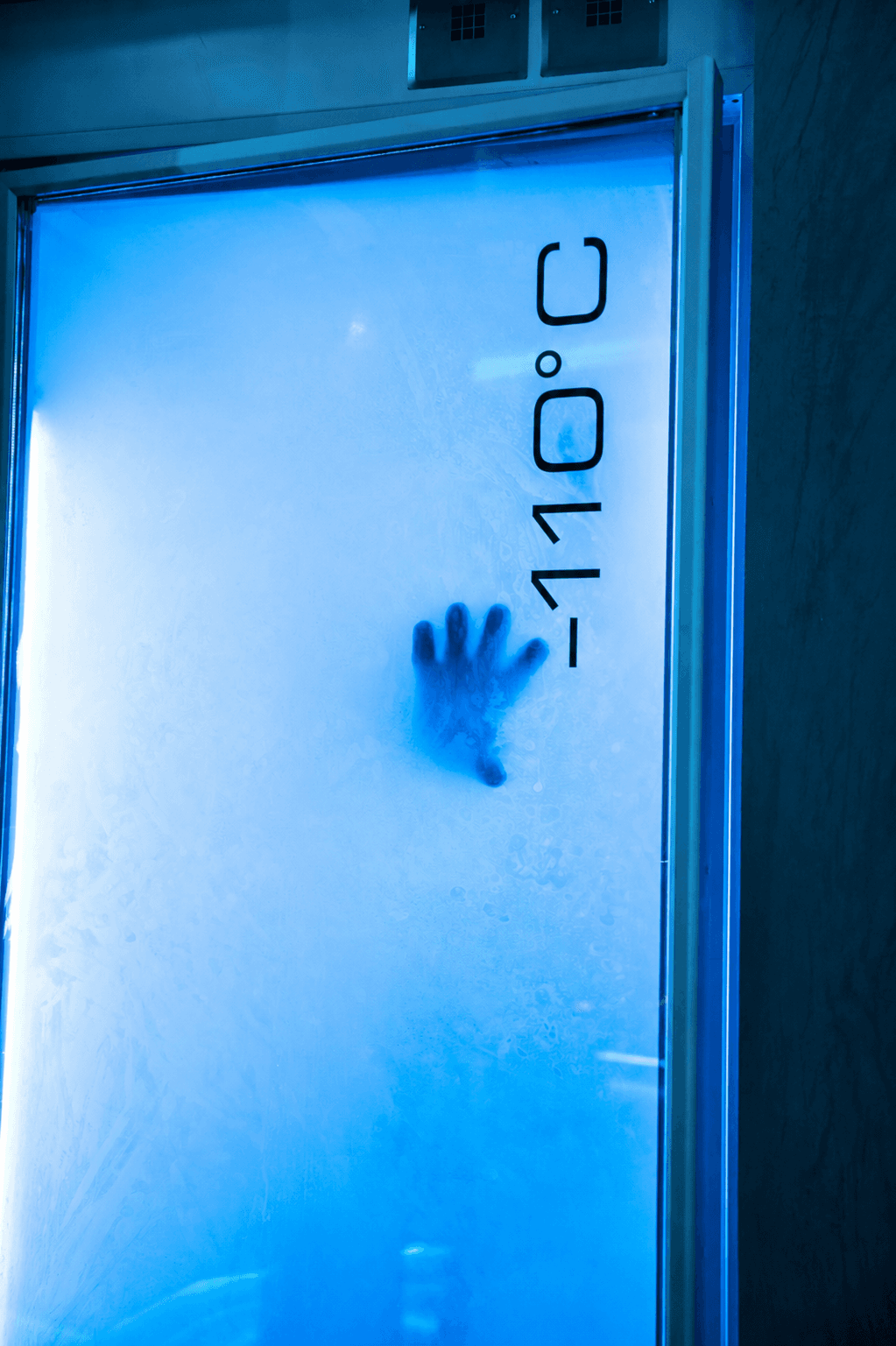
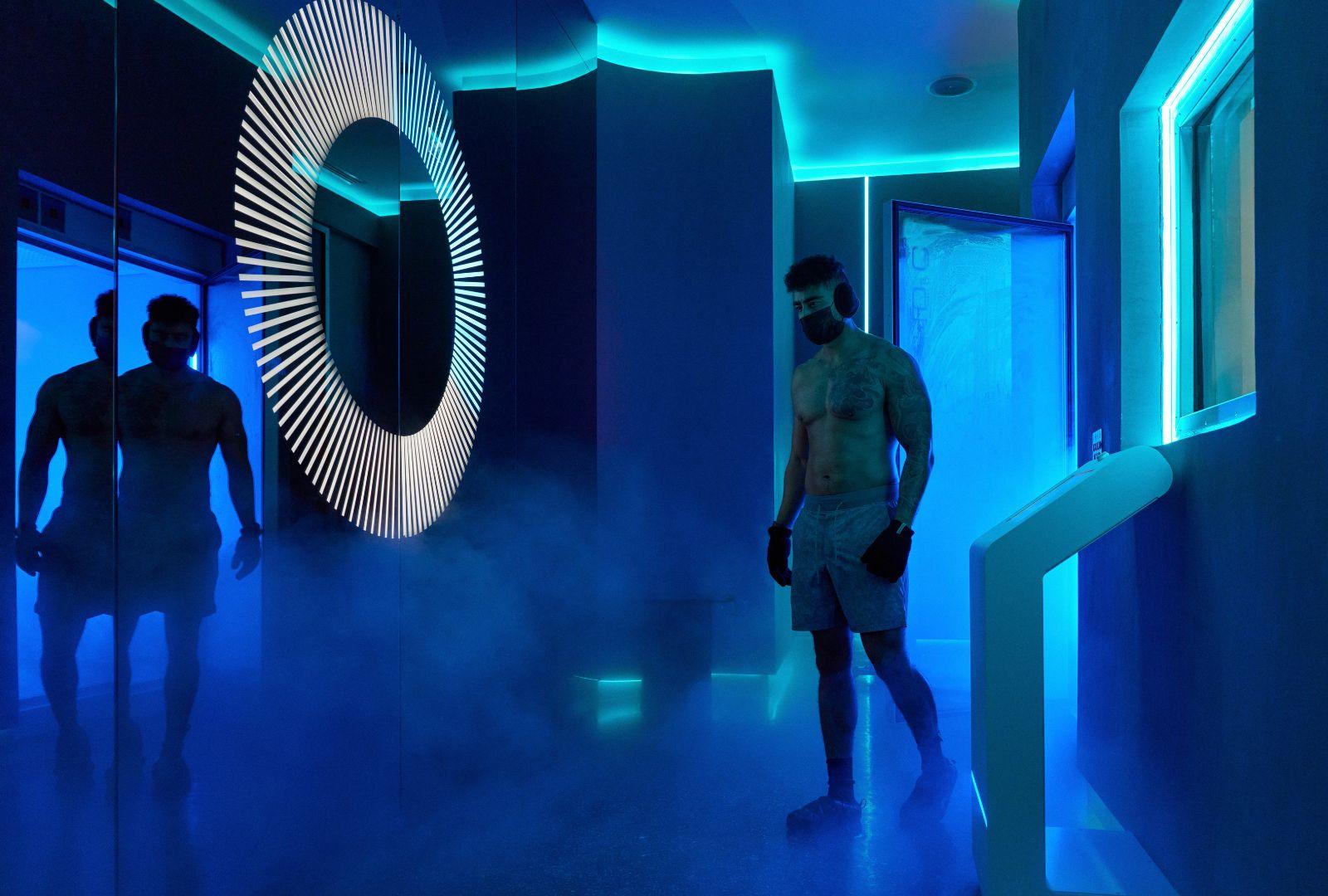
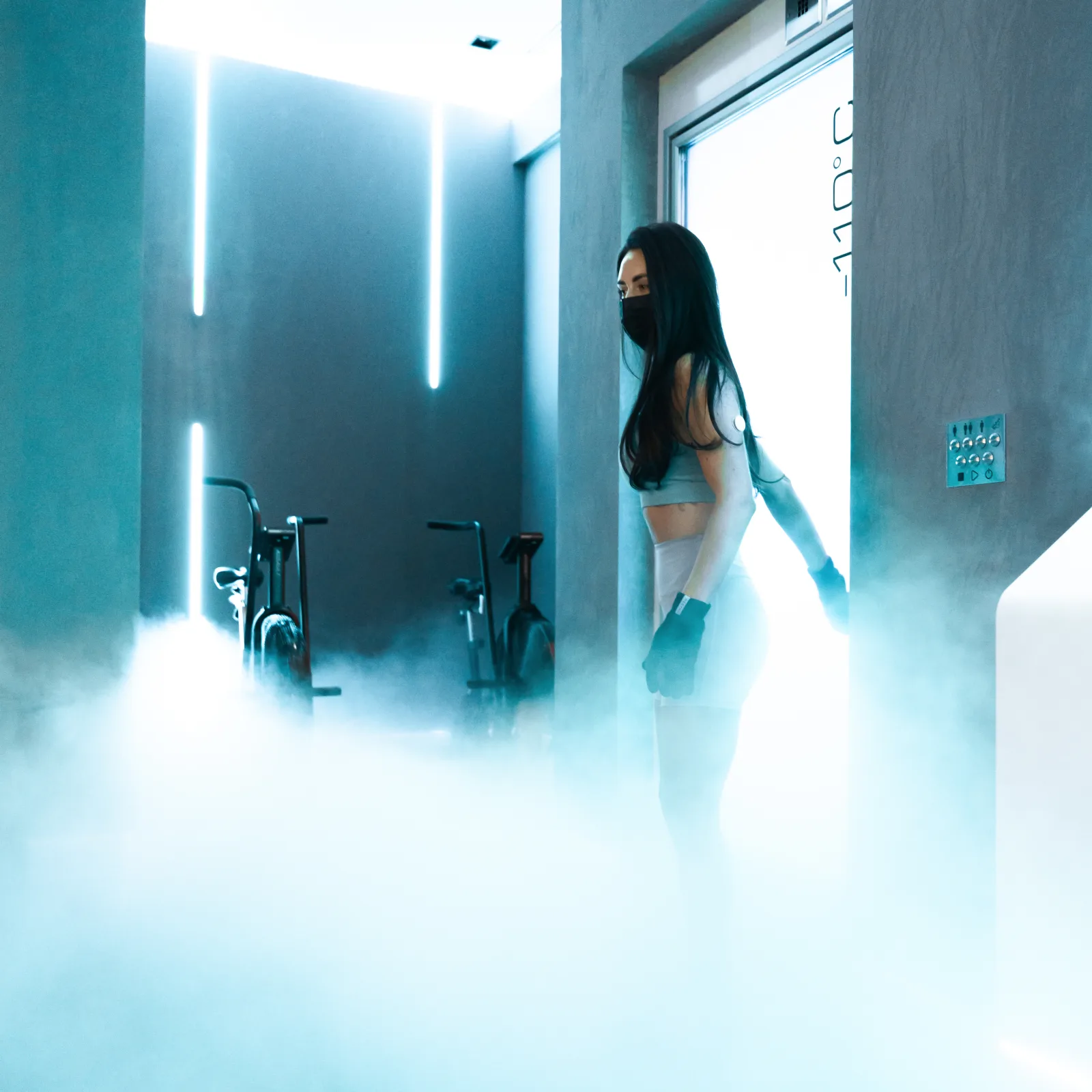
Whole body cryotherapy involves standing in a chamber filled with very cold, dry air for up to three minutes. At RESYNC, sessions take place in a chamber operating up to -110 degrees Celsius. A trained team member stays with you throughout the short, supervised session.
The cold creates a brief, controlled physical stimulus. Blood vessels near the skin narrow and the body works to maintain its core temperature. As you warm naturally afterwards, many clients notice a feeling of lightness, clarity or physical release.
Our guide to whole body cryotherapy in Dubai explains the general process. Here, the focus is where a session may fit into a sleep and stress routine.

How Cryotherapy May Support an Evening Reset
Light exposure, meal timing, caffeine, exercise and mental stimulation all affect how easily the body settles. Cryotherapy does not override those factors, but it can provide a useful transition point.
It creates a clear change of state
The cold demands your attention for a very short period. For someone moving between work, training and home life, the session can become a boundary between the demanding part of the day and recovery.
Some clients feel energised straight after cryotherapy. Others notice that the initial alertness gives way to a more relaxed feeling once they have warmed up. Both responses are normal, which is why timing should be personalised rather than based on a universal rule.
It may ease the physical load of a busy day
Long periods at a desk, hard training and frequent travel can leave the body feeling heavy or tense. Cryotherapy is commonly used to support exercise recovery and manage perceived soreness. Feeling more comfortable can make it easier to follow a normal wind-down routine.
For a broader look at realistic outcomes, read is cryotherapy worth it?. The value tends to come from consistent use for a clear purpose, not expecting one exposure to transform sleep.
It can become a repeatable recovery cue
Routines help the brain anticipate what comes next. If cryotherapy is followed by hydration, a calm journey home, lower lighting and time away from work messages, the sequence itself can become a reliable signal to slow down.
The surrounding routine matters as much as the three minutes in the chamber.
What Does the Evidence Say About Cryotherapy and Sleep?
Research into whole body cryotherapy has focused mainly on exercise recovery, soreness and inflammatory responses. Smaller studies have also explored mood, perceived wellbeing and sleep. In a 2024 randomised study of 20 healthy adults, five consecutive daily sessions were associated with better subjective sleep quality and a modest increase in slow-wave sleep.
That early research suggests repeated sessions may support sleep quality for some people, while personal response and timing still matter. A realistic goal is to use cryotherapy as a consistent recovery cue and track how it fits your own routine.
If poor sleep continues for weeks, affects daytime function or comes with symptoms such as persistent anxiety, low mood, breathing interruptions or significant fatigue, speak to a qualified healthcare professional. A wellness session should complement appropriate care, not delay it.
What Is the Best Time for Cryotherapy if Sleep Is Your Goal?
There is no single ideal time because people respond differently to cold. These starting points make the timing easier to test:
- After work: An early evening session can separate a demanding day from home time, especially for professionals based in or near DIFC.
- After training: Cryotherapy can fit after an afternoon or early evening workout when the goal is to support recovery and then begin winding down.
- A few hours before bed: If the cold makes you feel sharply alert, leave enough time for that feeling to settle before bedtime.
- Earlier in the day: If an evening session leaves you energised for too long, move it to lunch or late afternoon and keep the sleep routine itself unchanged.
Use the same time for two or three sessions and note how you feel that evening and the next morning. A simple record of timing, caffeine, training and sleep quality is more useful than changing several variables at once.
A Practical Post-Cryotherapy Wind-Down Routine
Cryotherapy is most useful as one part of a realistic routine. After an evening session, try this sequence:
- Warm up naturally. Put on comfortable clothing and allow the body to return to its usual temperature.
- Rehydrate. Dubai heat, air conditioning, exercise and travel can all affect hydration. Drink water steadily rather than a large amount just before bed.
- Keep the next hour calm. Avoid turning the post-session lift into more work, a hard workout or a long period of scrolling.
- Lower the light. Reduce bright overhead lighting and screen intensity as bedtime approaches.
- Keep sleep timing steady. A consistent wake time and bedtime support the body clock more reliably than any single wellness intervention.
Who May Find Evening Cryotherapy Useful?
Cryotherapy for sleep and stress may be worth considering if you:
- Finish work feeling mentally switched on and want a clear transition into the evening
- Train after work and find soreness makes it harder to settle
- Travel frequently and want a consistent recovery ritual when returning to Dubai
- Already practise good sleep habits but want additional recovery support
- Prefer a brief, structured session rather than a long treatment
Safety and Suitability
Whole body cryotherapy is brief, but it is still an intense cold exposure. Tell the RESYNC team about your health history before your first session. Cryotherapy is not suitable during pregnancy or for people with uncontrolled high blood pressure, certain cardiovascular conditions, severe cold sensitivity, Raynaud’s syndrome or some nerve and circulation conditions.
If you have a diagnosed condition, take medication that affects circulation or blood pressure, or are unsure how your body responds to cold, ask your doctor before booking. During the session, communicate immediately if you feel unwell, dizzy, unusually short of breath or unable to tolerate the cold.
How Often Should You Use Cryotherapy for Sleep Support?
One session can show you how the experience feels, but it cannot establish whether it supports your sleep routine. Many clients begin with one or two sessions a week and assess their response over several weeks.
Frequency should match your schedule, comfort and wider recovery goals. More is not automatically better. If regular sessions fit your routine, explore RESYNC’s cryotherapy membership options rather than treating every visit as a separate experiment. For clients who prefer a broader recovery plan, the current Recovery Trio offer includes whole body cryotherapy alongside red light therapy and hyperbaric oxygen therapy; current inclusions and availability are listed on the offer page.
To complement your cryotherapy sessions, consider incorporating our Magnesium Balm or Lavender Mist into your evening routine. These products can be part of a calming wind-down ritual, helping you prioritise relaxation and recovery before bed.

Frequently Asked Questions
Does cryotherapy make you sleepy straight away?
Not necessarily. The cold can feel energising immediately afterwards. Some clients notice a calmer feeling later, particularly when the session is followed by a quiet evening routine. If you remain alert close to bedtime, schedule future sessions earlier.
Can cryotherapy treat insomnia or anxiety?
No. RESYNC offers cryotherapy as a wellness and recovery service, not as medical treatment for insomnia or anxiety. Persistent sleep or mental health concerns should be discussed with an appropriate healthcare professional.
Is morning or evening cryotherapy better?
Morning sessions may suit people who enjoy the alert feeling, while early evening sessions can provide a boundary between work and rest. Your own response and ability to stay consistent matter more than the clock.
Can I do cryotherapy after an evening workout?
Yes, many active clients use it after training. Consider your goals and how close the session is to bedtime. If you follow a structured performance programme, discuss timing with your coach or practitioner.
Build a Routine That Works in Real Life
Cryotherapy for sleep is most useful when it supports habits you can maintain. In a fast-moving Dubai week, a short session can mark the end of work or training, encourage recovery and create space for a calmer evening. The realistic goal is not perfect sleep after one visit. It is a repeatable routine that helps your body recognise when the day is slowing down.
If you would like to test where cold therapy fits into your week, book a whole body cryotherapy session at RESYNC in DIFC. The team can explain the chamber, check suitability and help you choose a session time that matches your recovery and sleep routine.