For many clients, two to three red light therapy sessions a week is a practical starting rhythm. The right frequency still depends on your goal, training load, the device being used and how consistently you can attend. A schedule that fits your week is usually more useful than an ambitious plan you cannot maintain.
That matters in Dubai, where training, travel and long working days can make recovery routines difficult to sustain. The aim is to use an appropriate dose regularly, review how you respond and adjust with guidance from the RESYNC team.
This guide answers how often red light therapy should fit into your routine, how frequency can change by goal and what a realistic week in the NovoTHOR pod may look like.
The Short Answer: Start With a Repeatable Rhythm
Red light therapy, also known as photobiomodulation, works through controlled exposure to red and near-infrared light. Research protocols use repeated sessions because the biological response is influenced by dose, timing and consistency rather than one isolated visit.
For a whole-body system such as NovoTHOR, two or three sessions per week gives many clients a manageable starting point. This is not a universal prescription. Someone supporting a demanding training block may arrange sessions differently from a client focused on skin quality or general wellbeing.
Avoid copying the timing from a home mask, handheld device or online protocol. Wavelength, power, distance, coverage and session duration vary substantially between devices. Follow the planned session time rather than extending an appointment in the hope of accelerating progress.
Why Consistency Matters More Than a Single Session
Some clients feel relaxed or refreshed after their first session, but longer-term goals are usually assessed across a series. Skin remodelling and changes in recovery patterns take time. A regular schedule also makes it easier to judge whether red light is adding value.
Consistency does not mean using red light as often as possible. Photobiomodulation has a dose-response relationship: too little exposure may be insufficient, while adding more time or frequency is not automatically more useful. The practical goal is a suitable dose, repeated often enough to support your objective and spaced in a way that works with the rest of your routine.
Sleep, nutrition, hydration and sensible training loads remain the foundation. Red light therapy supports rather than replaces them.
Why the Device Changes the Schedule
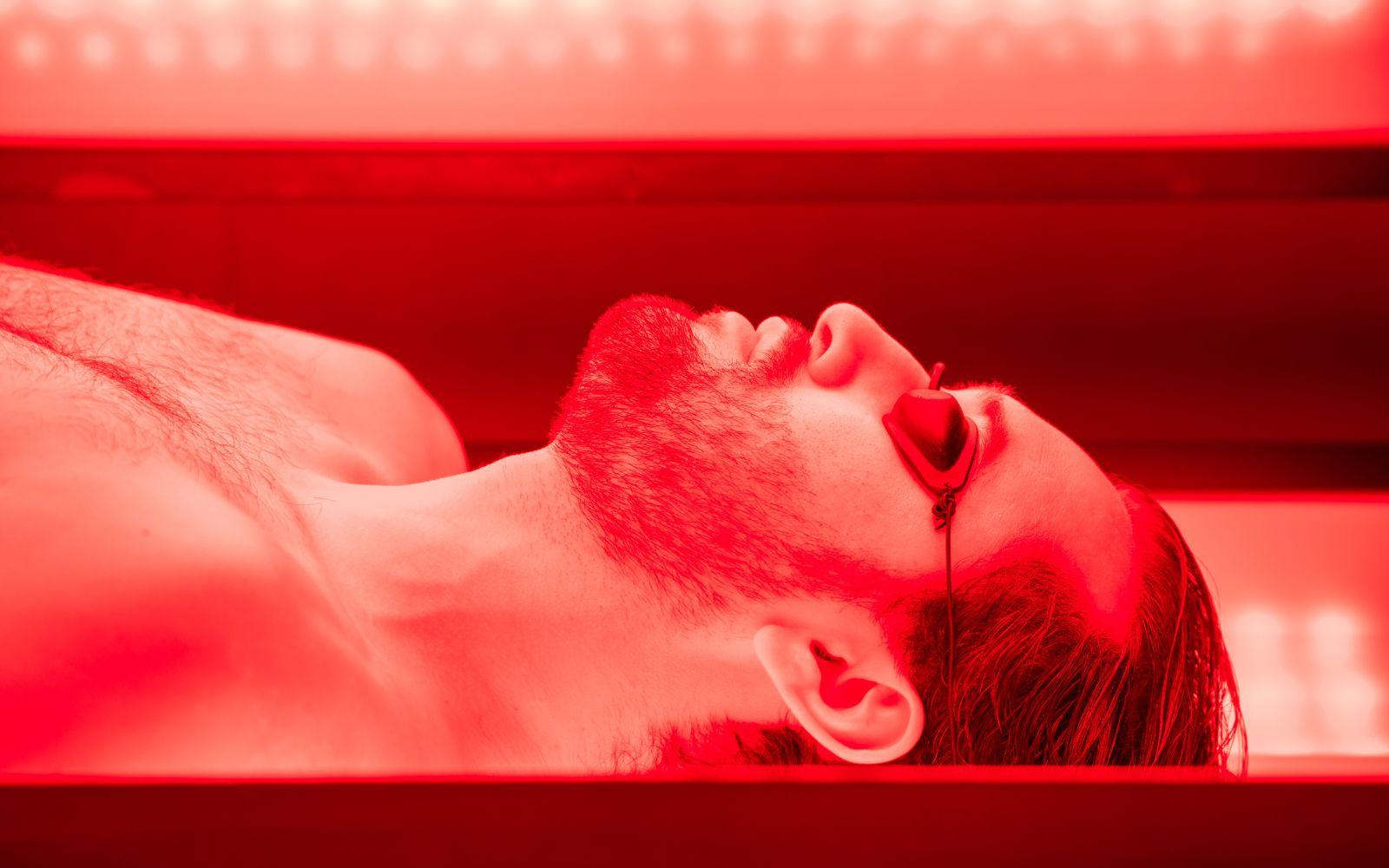
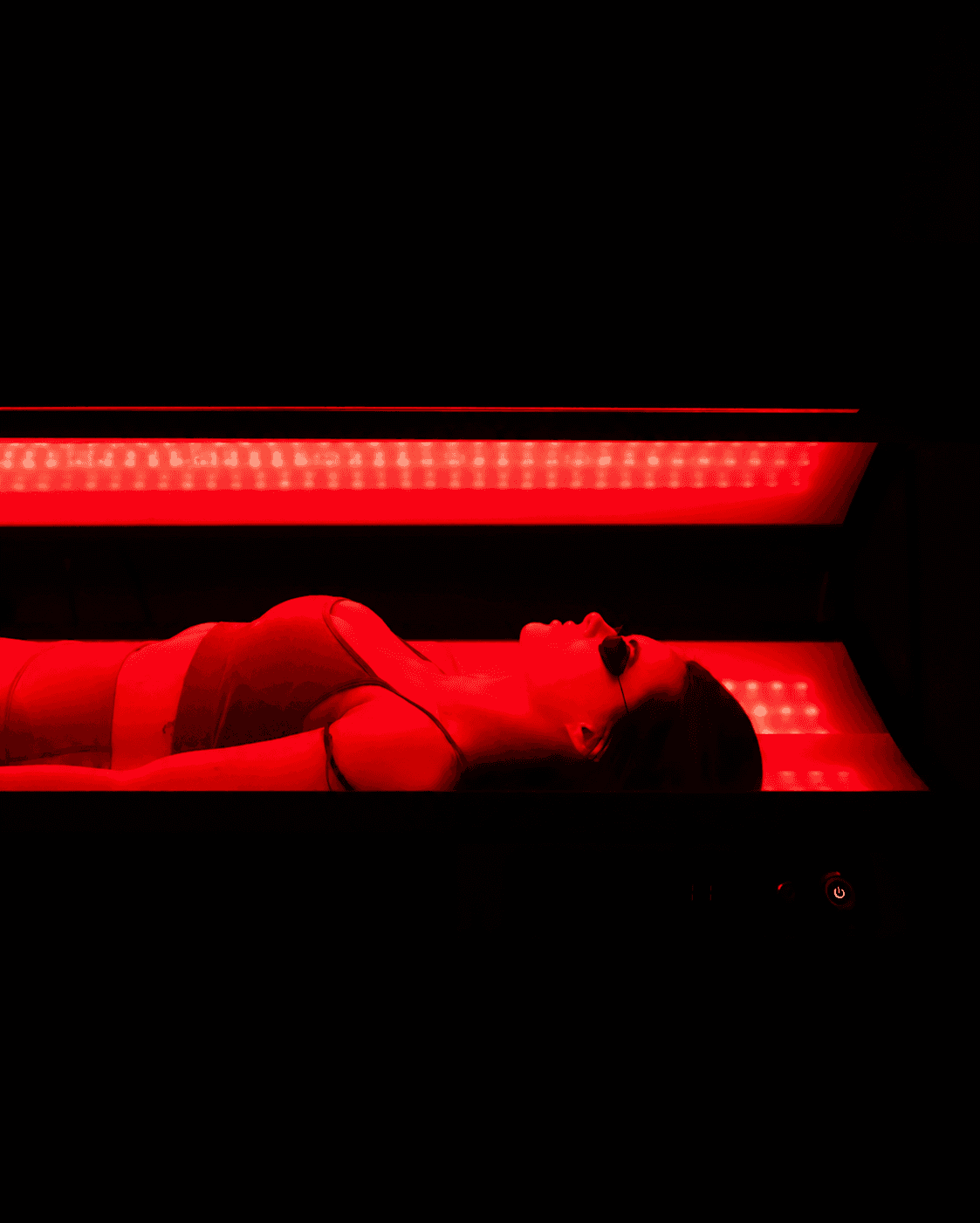
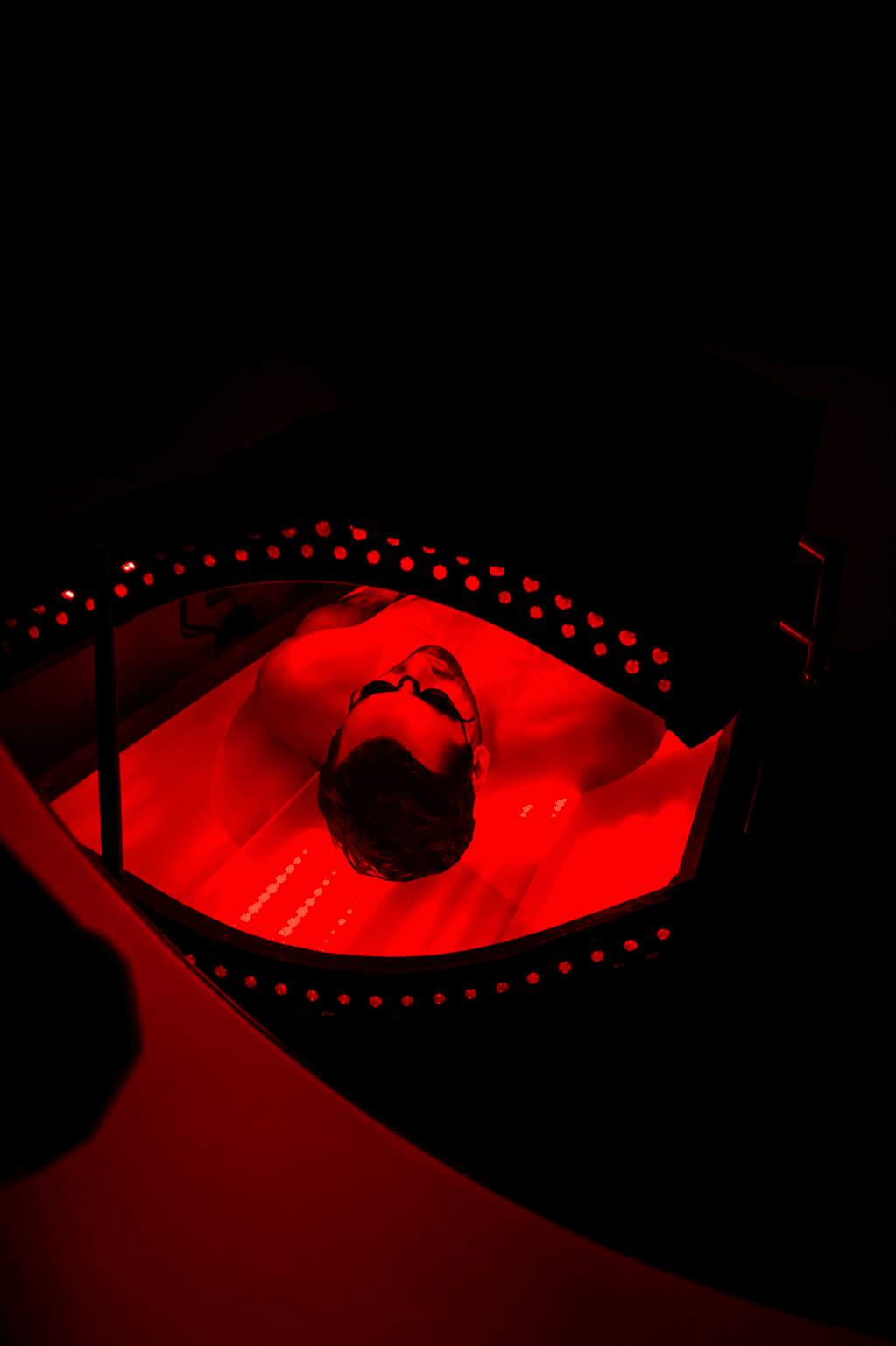
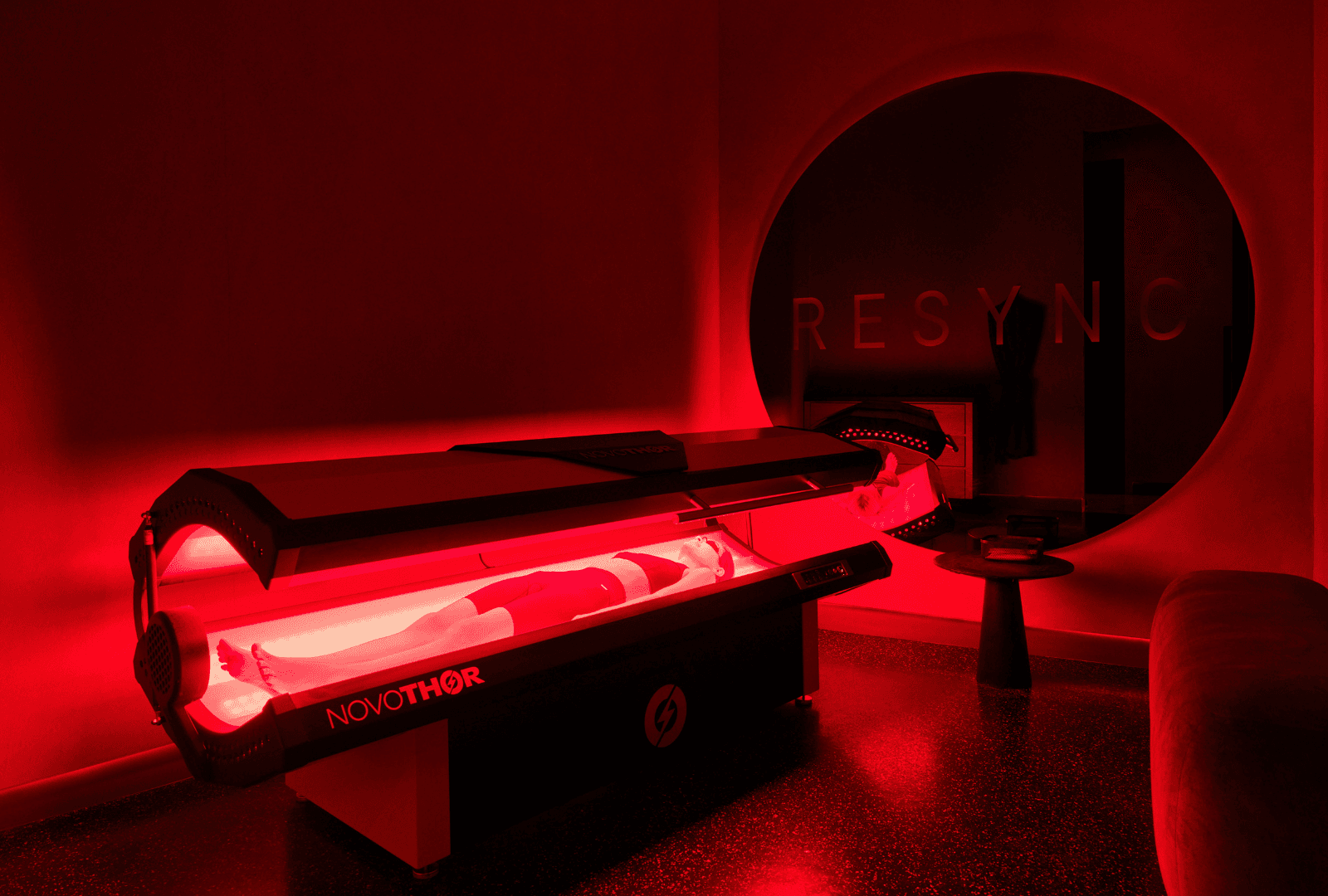
At RESYNC in DIFC, red light therapy is delivered in a NovoTHOR whole-body pod. The system combines 660 nanometre red light with 850 nanometre near-infrared light and surrounds the body for even exposure. A standard session takes 20 minutes.
That format differs from treating the face with a mask or standing in front of a panel one side at a time. A whole-body pod covers a larger area in one measured session, so its schedule should be based on the pod’s protocol rather than the instructions supplied with a consumer device.
The RESYNC red light therapy service explains what a NovoTHOR session involves. Tell the team about other light-based devices you use so your overall routine can be considered.

How Frequency Can Change With Your Goal
The same pod can support different wellness and recovery goals, but the way you schedule it may differ.
Muscle recovery and training
Active clients often place red light therapy around the hardest sessions of the week. A two- or three-session rhythm can be aligned with strength days, longer runs or high-intensity classes rather than added randomly.
Research has explored sessions both before and after training. Choose one purpose for the first few weeks and keep the timing reasonably consistent. This makes it easier to track soreness, energy and readiness for the next session.
For a closer look at timing around exercise, see our guide to red light therapy for muscle recovery and performance.
Skin quality
Skin goals reward patience. Research into texture, collagen density and fine lines typically uses repeated exposure across several weeks. A consistent course is more relevant than judging the skin after one session.
Keep skincare and sun protection steady while you assess the routine. Changing several products and treatments at once makes it difficult to know what is contributing. Our article on red light therapy for skin covers collagen, ageing and realistic expectations in more detail.
General wellbeing and a busy schedule
For general wellbeing, begin with the frequency you can genuinely maintain. Once the habit feels easy, discuss whether another weekly session would serve a clear purpose. Frequency should support your life, not become another source of pressure.
Two Practical Weekly Schedules
A simple plan is easier to follow than a complicated protocol. Schedule your sessions around your routine rather than using a fixed prescription.
A two-session week
- Tuesday: red light after a demanding training day or during a lunch break
- Friday: a second session before the weekend, leaving a few days between visits
This rhythm keeps the time commitment modest and leaves space to notice how you feel between sessions.
A three-session training week
- Monday: before or after the first key workout
- Wednesday: around the middle of the training week
- Saturday: alongside the longest or most demanding session
The days can change, but connect each visit to an existing calendar anchor. DIFC professionals might use a lunch break, while runners may pair sessions with key training days.
During November 2026, clients who spend AED 700 or more on retail products can choose one complimentary red light therapy or cryotherapy session through RESYNC’s active offers. Alternatively, RESYNC’s Recovery Trio combines Red Light Therapy, Whole Body Cryotherapy and Hyperbaric Oxygen Therapy in one package, allowing you to experience the benefits of all three treatments before deciding which therapies to incorporate into your regular wellness routine.

How Long Should You Follow a Schedule Before Reassessing?
Agree a review point with the team rather than changing frequency after every visit. Keep the main variables stable until then.
Track outcomes connected to your actual goal:
- Training clients can record next-day soreness, perceived recovery and readiness for key sessions.
- Skin-focused clients can take photographs in the same lighting and note texture or general appearance over time.
- Busy professionals can note energy, relaxation and whether the routine is practical enough to sustain.
At the review, ask whether the schedule is helping, whether the timing works and whether you are attending consistently. You may continue, adjust the days or move to a maintenance rhythm.
If you want recurring access, compare the current RESYNC membership options with the frequency you can realistically use. Choose a plan around your routine rather than forcing your routine around a package.
When to Pause or Adjust Your Routine
Red and near-infrared light do not contain ultraviolet radiation, and sessions are generally well tolerated when used within the device protocol. Suitability still matters.
Tell the RESYNC team if you take medication or use skincare that increases light sensitivity, have a photosensitivity condition, are under a dermatologist’s care or have an unexplained skin concern. If you are pregnant, have a diagnosed medical condition or have a current or previous cancer diagnosis, speak to your doctor before booking.
Use the eye protection provided and report unexpected discomfort or a lasting skin reaction. Do not extend a session beyond the established time. If your health or medication changes, check whether your schedule should change too.
Frequently Asked Questions
Can you use red light therapy every day?
Daily use is not automatically necessary or more effective. Frequency depends on the device, delivered dose and goal. For the NovoTHOR pod, start with the schedule recommended by the team and review your response before adding sessions.
Is two or three times a week enough?
For many clients, two or three weekly sessions is a practical and consistent starting point. The right cadence may change with training load, skin goals and availability. Consistency over several weeks matters more than fitting in a high number of sessions for a short period.
How many red light therapy sessions do you need to see results?
There is no universal number. Recovery patterns and skin-related changes are better assessed across repeated sessions. Set a goal, follow a consistent schedule and review progress rather than expecting one visit to answer the question.
Should red light therapy be used before or after exercise?
Both timings are used. A pre-workout session may fit a readiness goal, while a post-workout visit can sit within a recovery routine. Keep the timing consistent at first so you can judge what works for you.
Can red light therapy be combined with cryotherapy?
Yes, many clients arrange both during one studio visit. The sequence and frequency should reflect your goals, comfort and wider recovery plan. The RESYNC team can help you make the most of each visit by tailoring your treatments to your individual health and wellness goals.
Build a Routine You Can Keep
The most useful answer to how often red light therapy should be used is not simply “more”. It is often enough to create a consistent, goal-led routine without making recovery harder to manage.
For many clients, that begins with two or three NovoTHOR sessions each week, attached to dependable points in the calendar and reviewed after a consistent period. Your schedule can then evolve with your training, skin goals and lifestyle.
If you want help planning a realistic cadence, book a red light therapy session at RESYNC in Central Park Towers, DIFC. The team can explain the pod, check suitability and help you choose a frequency that fits your lifestyle and goals.