Cellulite is normal. It appears on bodies of different shapes, sizes and fitness levels, especially on the thighs, hips and buttocks. Having it says little about how active, healthy or strong you are.
So, what causes cellulite? The short answer is the way skin, connective tissue and fat are arranged beneath the surface. Hormones, genetics, age, circulation and lifestyle can influence its visibility, but no single habit causes it. Although completely removing cellulite is not realistic, consistent movement, stable habits and suitable body treatments may help it look smoother.
Understanding the structure first makes it easier to choose a realistic approach in Dubai rather than chase a quick fix.
What Is Cellulite?
Cellulite is the dimpled texture that can appear when tissue beneath the skin creates a push-and-pull effect. Fat cells press upwards while fibrous connective bands, called septa, tether the skin downwards. Where those forces meet, small depressions and raised areas may form.
This is different from simply having body fat. Cellulite can be visible on lean and athletic bodies because connective-tissue structure matters as much as fat volume. It is not an illness or a sign that anything is wrong.
The thighs, buttocks and hips are common areas because of how superficial fat and connective tissue are distributed. It can also appear on the abdomen and upper arms.
What Causes Cellulite Beneath the Skin?
Cellulite is multifactorial, which means several factors contribute to its appearance at the same time.
Connective-tissue structure
The central factor is the network of fibrous septa beneath the skin. In women, these bands tend to run more vertically. Fat lobules can press upwards between them while the bands hold certain points down, creating visible dimples.
Skin thickness and elasticity also affect how clearly that structure shows. Thinner or less elastic skin can reveal more texture.
Hormones
Hormonal factors, particularly oestrogen, are thought to influence fat distribution, connective tissue and circulation. This helps explain why cellulite often becomes visible after puberty and may change with hormonal shifts.
Hormones are one reason cellulite is more common in women, but they interact with inherited anatomy, skin quality and fat distribution.
Genetics
Genetics can influence fat distribution, connective-tissue arrangement, skin thickness and circulation. If cellulite is common in your family, you may be more likely to develop a similar pattern.
Two people following the same training and nutrition routine may therefore have very different skin texture.
Age and skin quality
The skin naturally changes with age. As it becomes thinner or less firm, the structure underneath may become more visible even if body weight stays stable.
An approach focused only on fat therefore misses skin quality and connective tissue, which also shape the surface.
Fat distribution and weight changes
Cellulite is not the same as excess weight, but larger fat cells can increase pressure against the connective tissue placement and make dimpling more pronounced. Weight changes may also affect how the skin and septa sit together.
Losing weight does not automatically remove cellulite because the underlying bands and skin structure may remain unchanged.
Circulation and fluid retention
Fluid retention can make an area look puffier and temporarily emphasise texture. Flights, prolonged sitting, hormonal changes, heat and salt intake can all affect fluid balance.
Desk-based Dubai working days, frequent travel and warm weather can combine several of these factors. They do not create cellulite, but may affect how noticeable it looks from day to day.
Can Lifestyle Cause Cellulite?
Lifestyle can influence cellulite, but it is not a question of doing the right or wrong things. A sedentary routine, smoking, repeated weight fluctuations and low muscle tone may make texture more visible. Movement, strength training and stable habits may help the area look firmer.
Active people can have cellulite, and a disciplined routine cannot rewrite inherited connective-tissue architecture. The useful goal is to support skin and body composition rather than pursue perfectly smooth skin.
Practical habits include:
- Strength training to build muscle beneath commonly affected areas
- Regular walking or movement breaks during long working days
- Consistent hydration, especially around training and travel
- Balanced nutrition that supports a stable, comfortable weight
- Avoiding repeated cycles of rapid weight gain and loss
- Getting enough sleep to support recovery and routine consistency
These habits support overall wellbeing whether or not you choose an in-studio treatment.
Can You Really Get Rid of Cellulite?
You may be able to improve the appearance of cellulite, but no responsible approach should promise to erase it permanently. The visible texture comes from several layers of anatomy, so the most useful plan focuses on smoother-looking skin, better tone and reasonable maintenance. Results vary by area and starting point. Fluid-related puffiness may change quickly, while texture linked to fibrous bands and skin quality usually calls for consistency.
What May Improve the Appearance of Cellulite?
The right option depends on which factors are most visible for you. A consultation can distinguish between fluid retention, skin laxity, general contour and more defined dimpling.
Strength training and regular movement
Building muscle can create a firmer foundation beneath the skin, while movement supports circulation and fluid balance. These changes may make texture less noticeable.
Stable body composition
If weight changes are making cellulite more visible, a gradual, sustainable approach can support stability and wellbeing. Cellulite may remain at any size.
Endospheres therapy
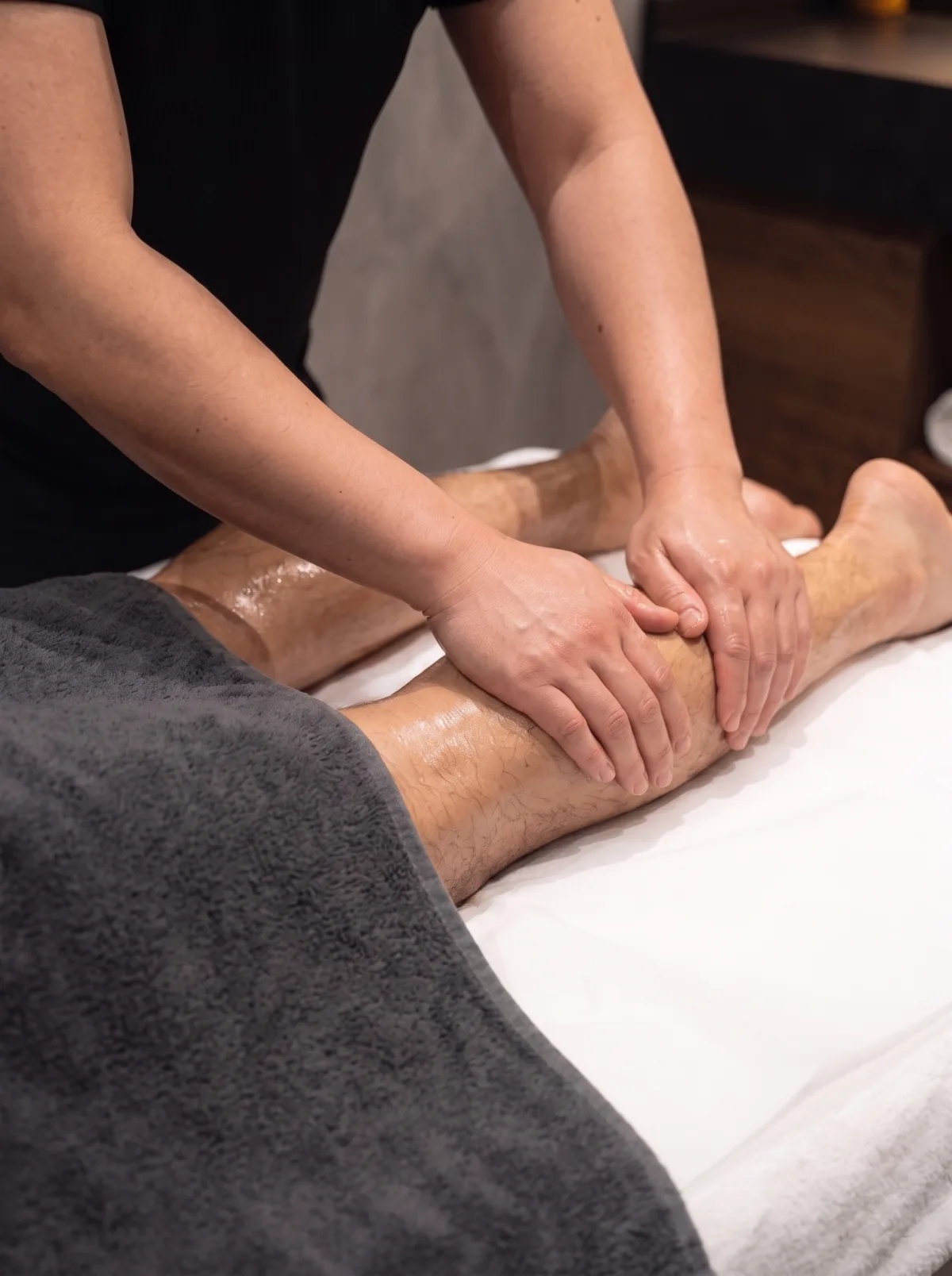
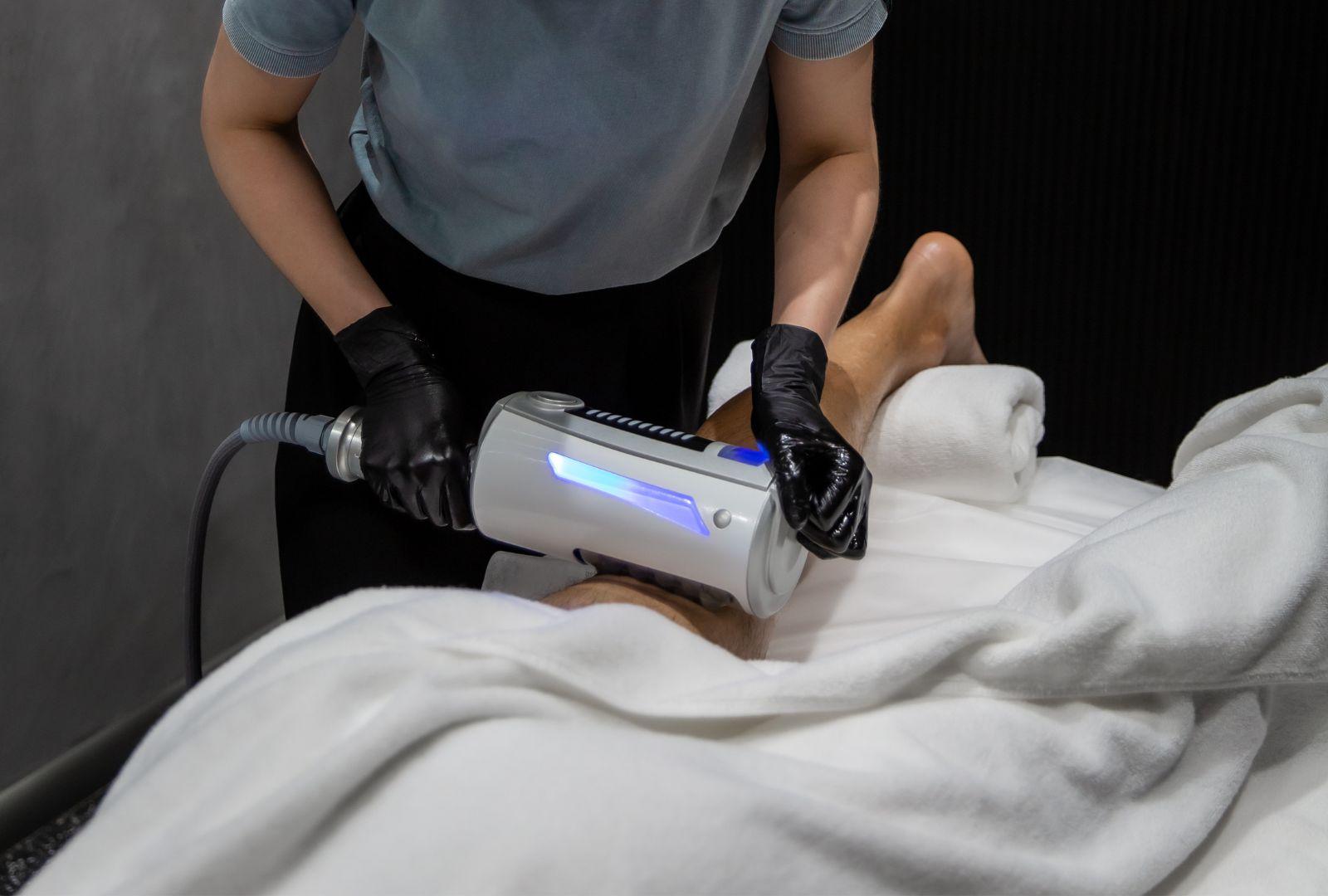
Endospheres therapy at RESYNC uses compressive microvibration, a rhythmic mechanical action designed to support circulation, lymphatic movement and smoother-looking skin. It is non-invasive and can be adjusted to the area and the client’s goals.
Visible changes generally build across a course, and maintenance may be useful because skin texture continues to respond to hormones, ageing, activity and fluid balance. For a closer look at the technology, our existing guide explains how Endospheres works on the appearance of cellulite without repeating the causes covered here.

A combined body-contouring plan
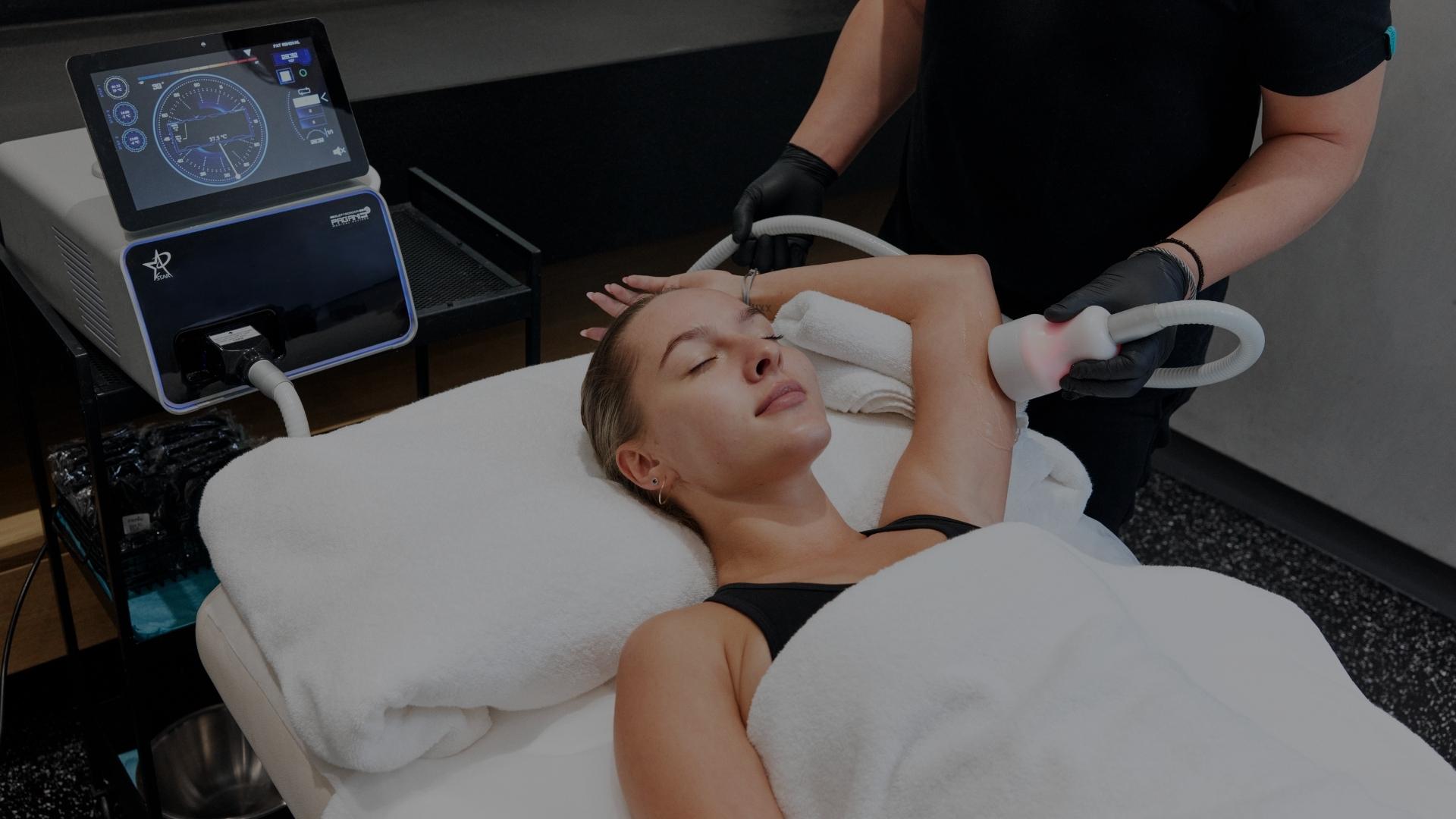
When cellulite is targeted with body contouring results, the team may recommend combining Endospheres with Cryo T-Shock Body.
The two devices have different roles: Endospheres focuses on compressive microvibration, texture and fluid movement, while Cryo T-Shock uses controlled warm and cold phases within a practitioner-led contouring programme.
For November 2026, RESYNC’s Slim & Sculpt offers combine the two. The six-session package is AED 4,200 with one complimentary session, while the 12-session package is AED 7,200 with two complimentary sessions.
A consultation is the best way to decide whether the combined approach matches your area, goals and starting point.

Choosing a Realistic Cellulite Plan
Start by defining what you want to change. Is the main concern dimpling, puffiness, skin firmness or the overall contour of an area? A more precise goal helps the practitioner choose the right device and gives you a fair way to judge progress.
Also consider your timeline. Body texture changes gradually, and consistency matters more than one intensive appointment. If you are preparing for an event, start early enough to complete a sensible course rather than compressing sessions into a short window.
Suitability should always be checked first. Tell the RESYNC team about pregnancy, recent surgery, medication, active skin concerns and any diagnosed condition involving circulation or blood clotting. Unexplained or one-sided swelling needs assessment by a medical professional rather than a body treatment.
Frequently Asked Questions
Is cellulite caused by being overweight?
No. Higher fat volume can make cellulite more visible, but cellulite also appears on lean, fit and athletic bodies. Connective-tissue structure, genetics, hormones and skin quality all contribute.
Why do women get more cellulite than men?
Women and men tend to have different connective-tissue architecture beneath the skin. In women, fibrous bands are more often arranged vertically, which makes the push-and-pull pattern that creates dimpling more likely. Hormonal factors also play a role.
Can exercise remove cellulite?
Exercise may improve its appearance by building muscle, supporting circulation and helping maintain stable body composition. It cannot completely change inherited connective-tissue structure, so cellulite may remain even in a strong, active body.
Does lymphatic drainage help cellulite?
Lymphatic support may reduce puffiness when fluid retention is making texture look more pronounced. Cellulite also involves skin, fat distribution and fibrous bands, so drainage is one part of the picture rather than a complete solution.
How long does it take to see smoother-looking skin?
It depends on the area, starting point and approach. Fluid-related changes may be noticed sooner, while skin texture usually changes gradually across a consistent course. The RESYNC team can suggest a realistic review point after assessing your goals.
Work With Your Body, Not Against It
Cellulite is a common concern of normal skin. Understanding what causes it takes the blame out of the conversation and replaces it with a more useful question: what would help this area look and feel the way you want?
Movement, strength, stable habits and an individualised treatment plan may all support smoother-looking skin. Explore Endospheres therapy in Dubai or book a consultation at RESYNC in Central Park Towers, DIFC, to build a realistic plan around your body and goals.